




We believe that choosing a piece of jewelry also means understanding the materials behind it. Some finishes are barely visible to the eye, yet they play a key role in the life and appearance of a piece. Rhodium is one of them. Here’s what you should know about this precious metal and its importance in jewelry.

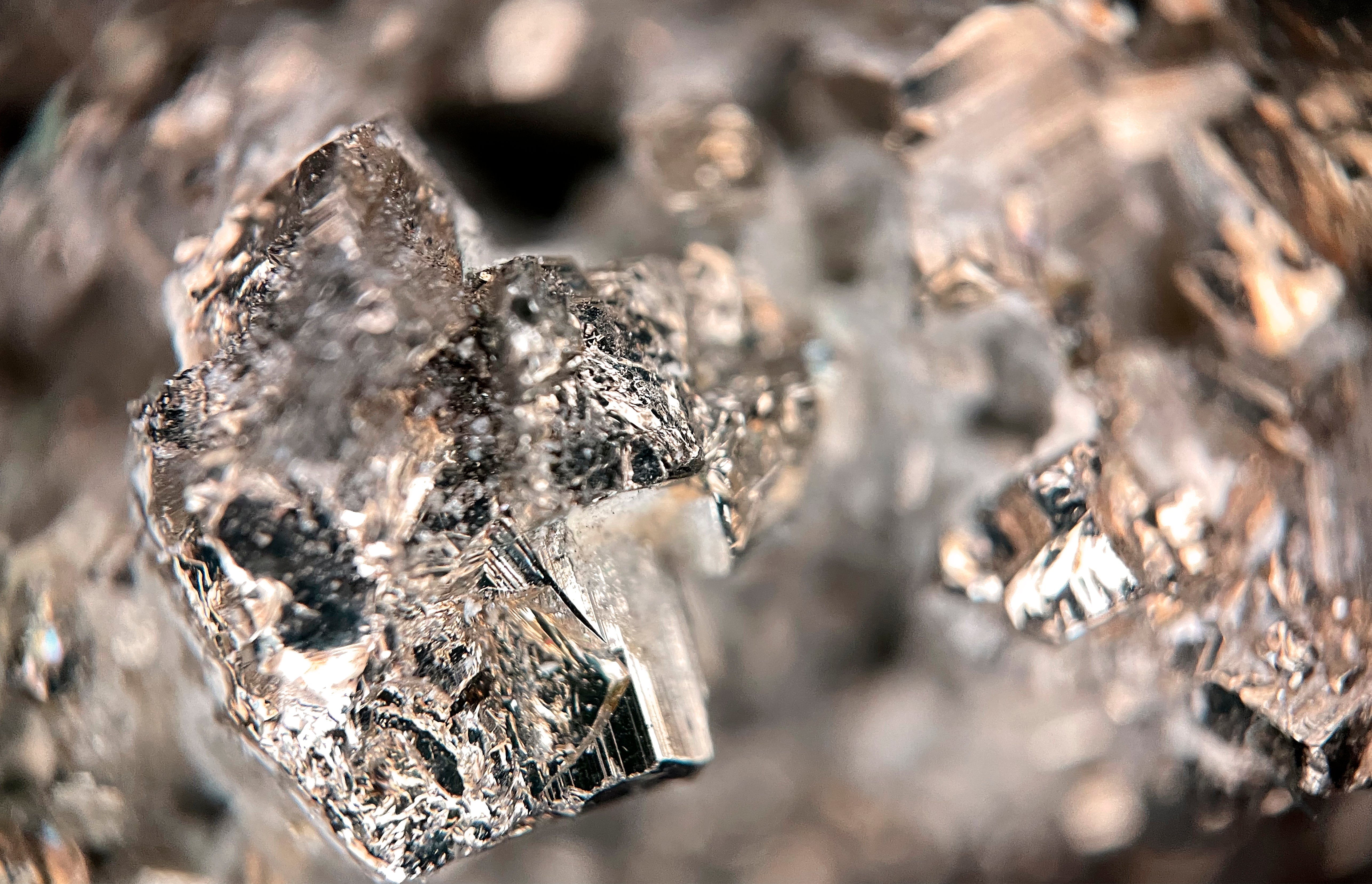
Rhodium Rock Credit: Anton Maksimov - Unplash
What Is Rhodium?
Rhodium is a rare (very!) precious metal from the platinum family. Naturally silver-white, very hard, and highly resistant to corrosion, oxidation, and scratches, it is used in jewelry as a thin plating applied to white gold or sterling silver (also known as silver 925). Once applied, rhodium acts as a true protective shield, giving the piece a bright, crisp grey finish.

Difference between rhodium plating (left) and unplated silver (right)
Credit: Camillette Jewelry
Why Do We Use Rhodium at Camillette?
On white gold, rhodium plating enhances the color by creating a bright finish and neutralizing the natural yellow or gray undertones found in the white gold alloys.
On sterling silver, it significantly slows down tarnishing caused by oxidation while reducing maintenance. Rhodium plating does not change the quality of the base metal, it simply improves its appearance and everyday durability.
It also offers a major benefit for sensitive skin: rhodium is hypoallergenic and nickel-free. In north America, there is nickel in white gold. Rhodium reduce significantly the risk of allergies. Rhodium is used to elevate each piece while making it more resistant to wear. It’s the perfect option for anyone seeking hypoallergenic jewelry that’s comfortable and effortless to wear every day.

The larger ring is made of 10k gold. The smaller one is 18k gold, meaning it contains more pure gold and has a naturally warmer yellow tone. Here’s the before/after. Credit : Camillette Jewelry
Is It Permanent? How long does it last?
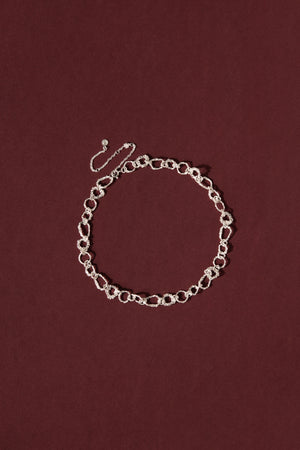
Rhodium plating is not permanent. Because it is applied in a thin layer, it gradually fades over time with friction and daily wear. It’s normal for a piece to lose some of its brightness after a few years. To extend the life of the plating, we recommend avoiding harsh chemicals, intense physical activity, and abrasive cleaning, and planning for polishing and re-plating every 1 to 3 years, depending on use. At Camillette, all the white gold pieces are rhodium plated. For the Amalgam collection, we offer both finishes so you can choose the piece that best fits your style and lifestyle.

Credit : Camillette Jewelry
We can plate with rhodium any silver pieces that you can find in Camillette's jewelry selection. If you wish to plate with rhodium any pieces of jewelry that you own, contact us.
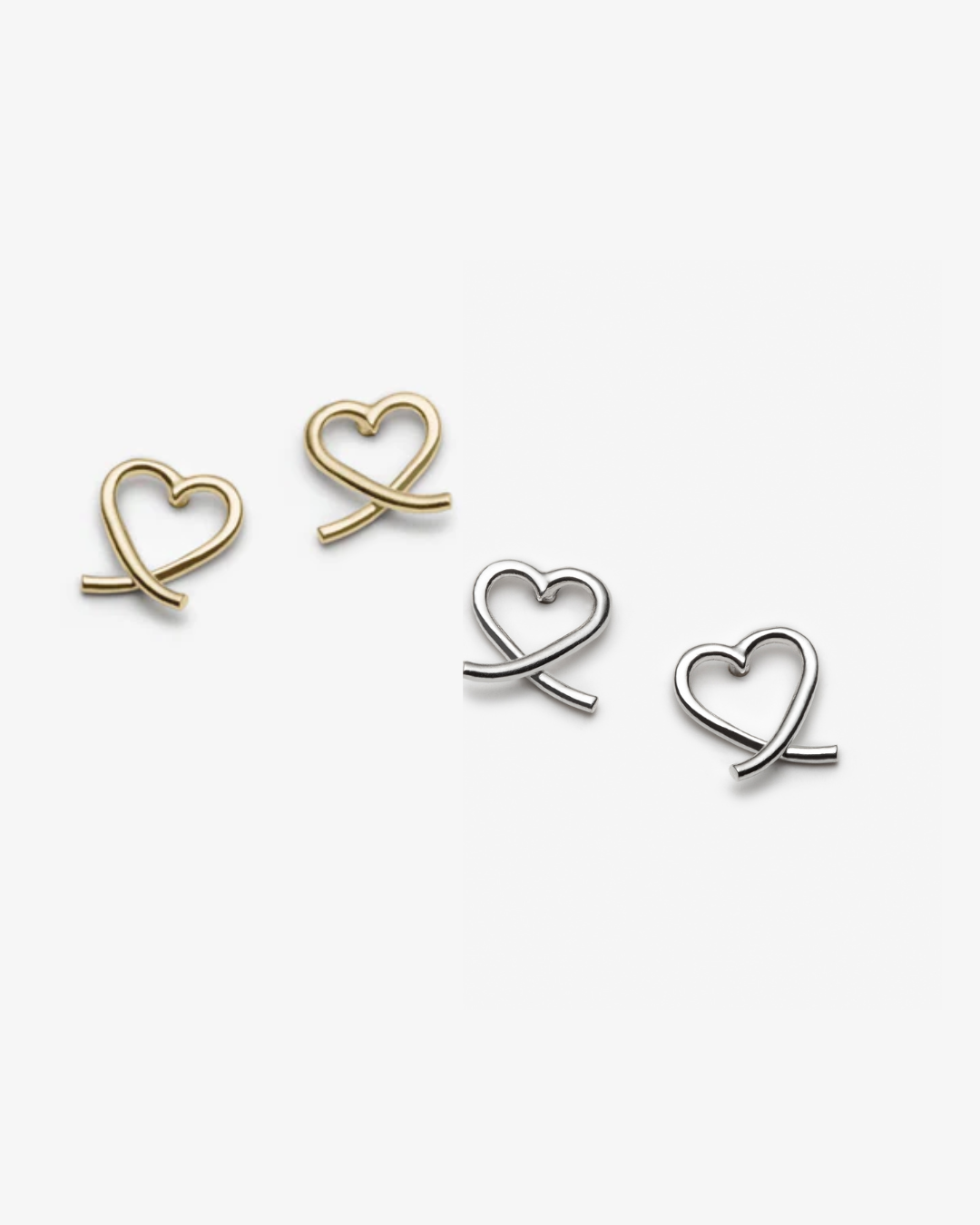
Discover our sterling silver and rhodium-plated white gold collections, and find your next favorite piece.






Leave a comment
This site is protected by hCaptcha and the hCaptcha Privacy Policy and Terms of Service apply.